Apple AirTag 2 – the key finder got louder and reaches farther
As an Amazon Associate I earn from qualifying purchases. It costs you nothing extra.
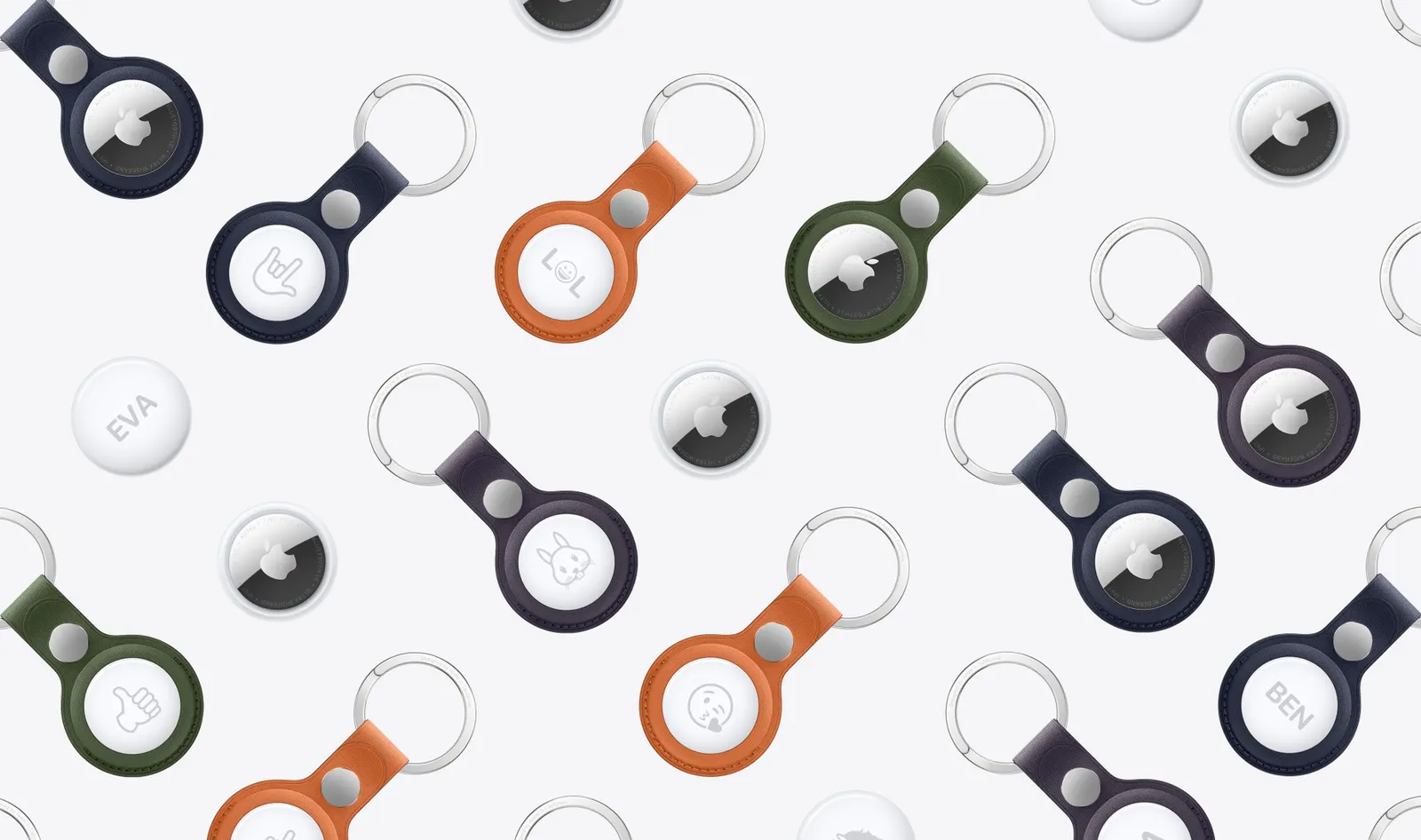
There’s a person in every family who loses their keys every single morning. You know who it is. If it’s you, I’m not judging. I’m just buying you a present.
The Apple AirTag 2 (officially “AirTag (2nd generation)”) is a tracker the size of a big coin that you hang on your keys, drop in a bag or tuck into a wallet. Your iPhone then shows where it is on a map and can make it beep. Apple released it on January 28, 2026, almost five years after the first one, and the upgrades are the boring, useful kind.
What is the AirTag 2?
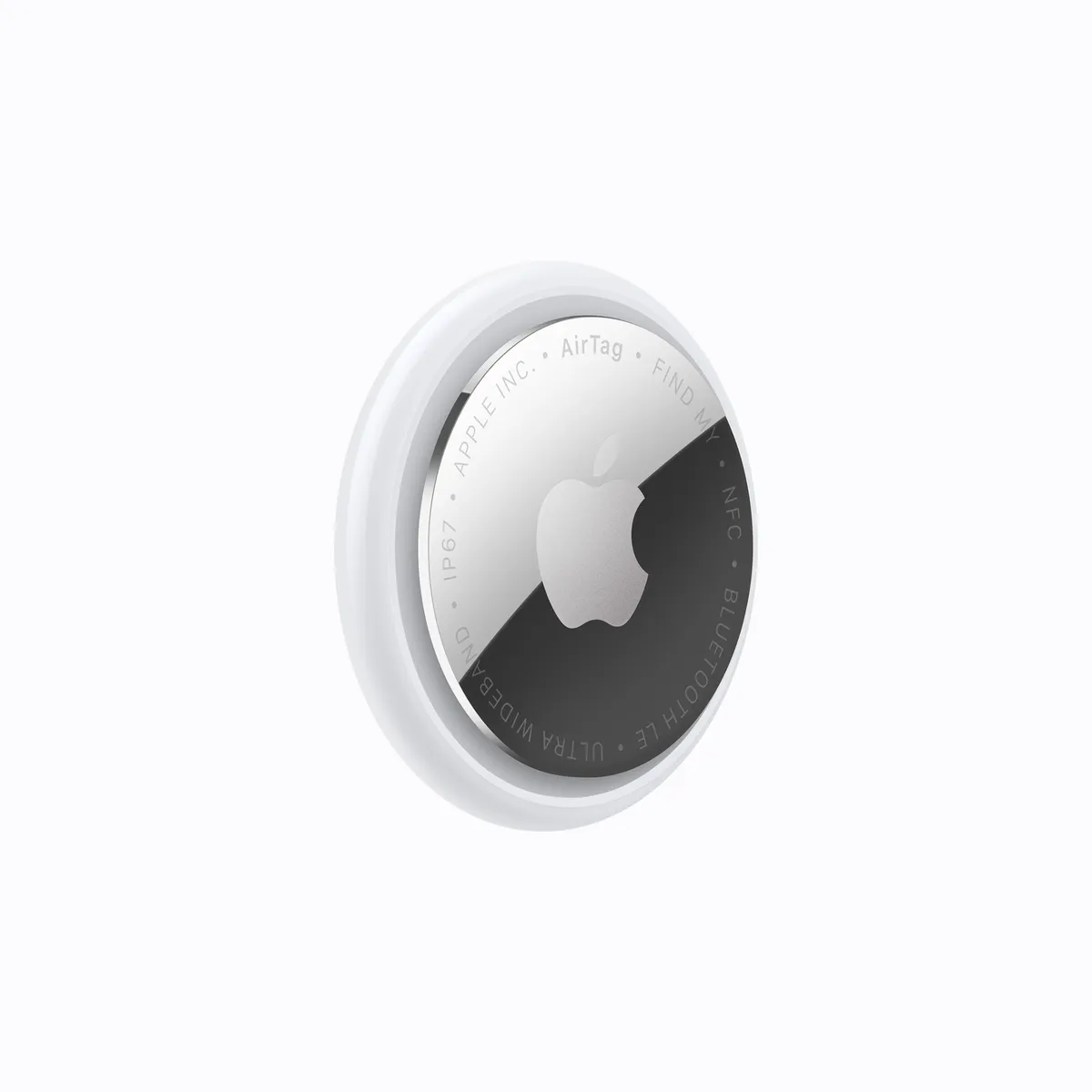
It looks exactly like the original: a white disc with a polished steel back. Same size, so old key rings and cases still fit. The changes are inside. According to Apple:
- The speaker is 50% louder, with a new chime, so you can hear it from up to twice as far away.
- Precision Finding (the arrow that walks you to the item) works from up to 50% farther away, thanks to Apple’s second-generation Ultra Wideband chip.
- An upgraded Bluetooth chip also stretches the range for locating items.
- Precision Finding now works on Apple Watch too (Series 9 or later, or Ultra 2 or later).
- The battery is a standard coin cell you replace yourself, and Apple says it lasts more than a year.
The price stayed the same: Apple lists it at $29 for one and $99 for a four-pack.
How does it work?
You pull the tab, hold it near your iPhone and give it a name (“Keys”, “Backpack”, “Kevin’s bike”). From then on it shows up in the Find My app. When it’s out of Bluetooth range, any nearby Apple device can anonymously report its rough location to you, which is why AirTags are so good at finding stuff in a city.
The feature I like most is Share Item Location. If an airline loses your suitcase, you can share the AirTag’s location with the airline for up to seven days. Apple says more than 50 airlines work with it. It pairs nicely with an AirFly Pro 2 in the same carry-on, by the way.
The good and the not-so-good
What I like:
- A louder beep is the upgrade that matters when your keys are under the couch.
- It’s cheap enough to buy a four-pack and tag everything.
- It has 4.6 stars from more than 12,000 ratings on Amazon. One reviewer said the new one sounds closer to two or three times as loud as his first-generation AirTag.
- Location data isn’t stored on the AirTag itself, and it warns people if an unknown AirTag travels with them.
What could be better:
- iPhone only. Android users get nothing out of it.
- The longer Precision Finding range needs an iPhone 15 or later (not the 16e) or an iPhone Air. On older phones it works like before.
- There’s no hole. You need a key ring, case or holder, which costs extra (Apple’s FineWoven Key Ring is $35, more than the AirTag).
- Some Amazon buyers report the map position can lag behind by a while when the tag is far away. It’s a lost-item finder, not live GPS.
Who is the AirTag 2 for?
Anyone with an iPhone who misplaces keys, wallets or bags. Frequent flyers who check a suitcase. And it’s the ultimate easy stocking stuffer for the forgetful person in your life.
If they use Android, or a mix of phones, look at the Chipolo POP instead. It works with Apple Find My or Google Find Hub. If you already own four first-generation AirTags that work fine, there’s no rush to upgrade.
Where can I buy the AirTag 2?
Apple sells it on Amazon through its own store. The single AirTag was between 24 and 29 bucks at the time of writing (October 2026). The four-pack has its own listing. Add a holder while you’re at it.
Fewer frantic mornings for about the price of a pizza. Take my money!