The Best Health Gadgets for 2026 That Are Actually Useful
As an Amazon Associate I earn from qualifying purchases. It costs you nothing extra.
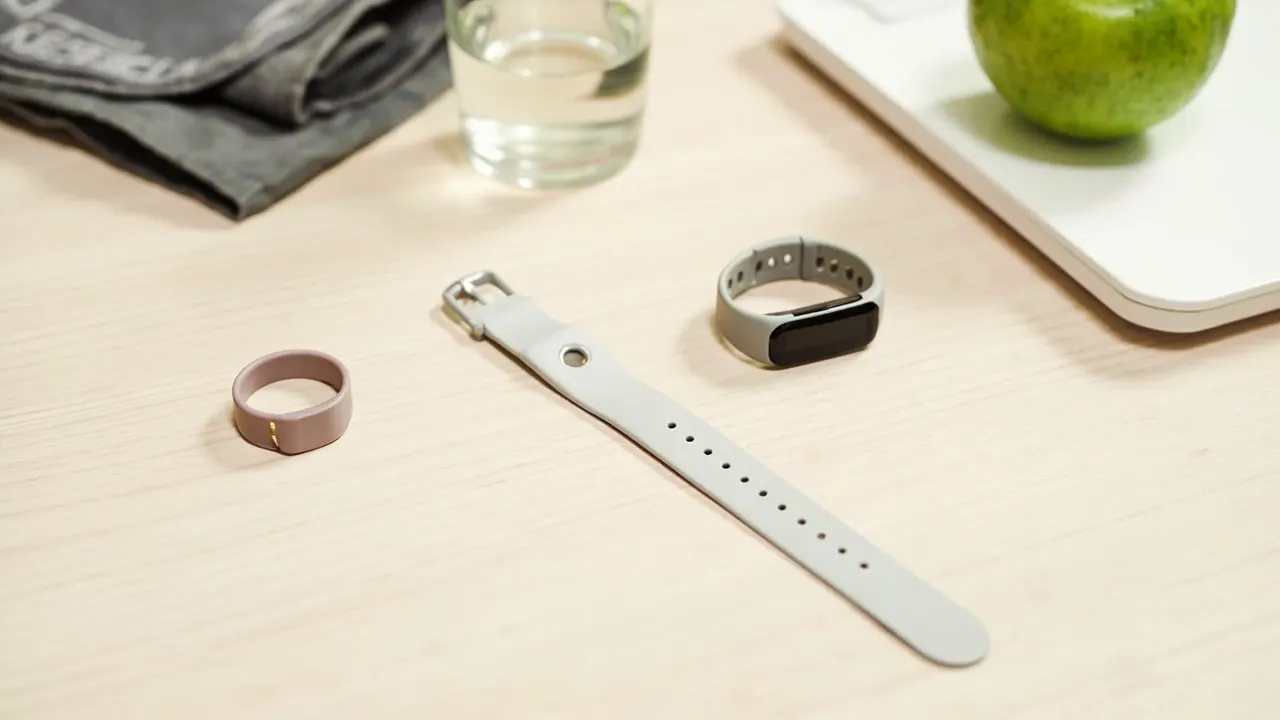
Most of us only check our health when something hurts. A good health gadget flips that around: it quietly collects data in the background and taps you on the shoulder when your sleep, heart rate or blood pressure starts drifting the wrong way. The trick is finding health gadgets that you’ll still use after the first week, instead of one more charger in the drawer.
This list started in 2020, back when hand sanitizer bracelets were a thing. For 2026 we threw out everything that’s discontinued (goodbye Amazon Halo, Fitbit Sense and the Plume Flow 2) and rebuilt it around what’s worth buying now: wearables, a smart blood pressure monitor, a smart scale, an over-the-counter glucose sensor and a few gadgets that fix your environment and posture. Everything is researched from maker pages and hands-on reviews.
One thing before we start: these gadgets help you spot trends. They don’t replace your doctor.
Quick picks:
- Best overall: Oura Ring 5
- Best value tracker: Google Fitbit Air
- Best for iPhone users: Apple Watch Series 12
- Best for blood pressure: Withings BPM Vision
- Best budget pick: Xiaomi Smart Band 10
Oura Ring 5 – the Best Health Tracker You’ll Forget You’re Wearing
The Oura ring was the gadget NBA players wore during the 2020 season (we wrote about how Oura kept the NBA healthy), and it’s still the smart ring to beat. The Oura Ring 5 came out in 2026, and it’s 40% smaller than the Ring 4. TechCrunch measured it at about 6mm wide and 2 to 2.7 grams, depending on the size.
It tracks sleep, heart rate, heart rate variability, skin temperature, activity and stress, and turns that into daily sleep and readiness scores. Battery life is six to nine days according to TechCrunch. No screen, no buzzing, no notifications. You look at the app when you want to.
The cons: you need an Oura membership (a monthly or yearly fee) for the full app, and the smaller design means fewer sizes: 6 to 13 only. Order the sizing kit first, because Oura sizes aren’t standard ring sizes.
Who it’s for: people who want great sleep tracking and hate wearing a watch in bed. If you already own a Ring 4, reviewers say you don’t need to upgrade.
Google Fitbit Air – the Screenless Tracker With the Best Value
Remember the Amazon Halo from the old version of this list, the band with no screen? Amazon killed it, but Google picked up the idea. The Fitbit Air is Google’s first screenless fitness band, and the reviews are good.
It tracks heart rate, heart rate variability, blood oxygen trends, skin temperature, breathing rate and sleep stages. Android Authority’s reviewer praised the sleep tracking, called it extremely comfortable at just over 12 grams, and said she routinely forgot she was wearing it. Battery life is about seven days, and five minutes of charging gives you about a day.
The cons: no GPS, so you need your phone to map a run, and heart rate during hard workouts is “good, but not great”. The core tracking is free, but the AI Health Coach and deeper insights need a Google Health Premium subscription.
Who it’s for: people who want Oura-style tracking for a lot less money, and don’t mind a band instead of a ring.
Xiaomi Smart Band 10 – the Best Budget Health Gadget
If you want a screen but not a smartwatch price, the Xiaomi Smart Band 10 is the cheap fitness tracker champ, according to Tech Advisor. It has a bright 1.72-inch AMOLED screen, tracks heart rate, sleep and workouts, and is waterproof to 5ATM.
Xiaomi claims up to 21 days of battery life, or 9 days with the always-on display. Tech Advisor’s test matched the 9-day claim with the screen always on.
The cons: there’s no built-in GPS (it borrows your phone’s), reviewers found heart rate less reliable during intense exercise, and the companion app is clunky. One reviewer also had the default strap’s clasp come undone mid-workout.
Who it’s for: first-time tracker buyers and anyone who wants the basics for the price of a nice dinner. The previous Xiaomi Smart Band 9 is also still a solid pick.
Apple Watch Series 12 – the Best Health Gadget for iPhone Users
If you have an iPhone, the Apple Watch is the health gadget with the most doctors-office features on your wrist. The Series 12 launched on September 18, 2026 with a redesigned health sensor. Apple says it measures heart rate every five seconds, 60 times more often than before, and it has a bigger electrode for the ECG app.
New in the Series 12 is a Readiness score based on your activity, vitals and sleep, and a Health Age metric. Last year’s Series 11 added hypertension notifications and a Sleep Score; Apple says the hypertension feature won’t catch every case, but it can flag a problem that has no symptoms.
The cons: it only works with an iPhone, and you’ll still charge it far more often than a ring or band. Apple rated the Series 11 at up to 24 hours.
Who it’s for: iPhone owners who want health tracking, fall detection and a smartwatch in one.
Withings BPM Vision – a Blood Pressure Monitor You’ll Actually Use
High blood pressure usually has no symptoms, so the only way to know is to measure it. The Withings BPM Vision is an FDA-cleared upper-arm blood pressure monitor with a 2.8-inch color screen that shows your result with a simple color code: green is fine, red means act.
It syncs over Wi-Fi or Bluetooth to the Withings app, which stores every reading and makes a report you can share with your doctor. Reviewers call it easy to use and quiet, and the rechargeable battery lasts for months.
The cons: it’s pricier than a basic cuff from the pharmacy, and the standard cuff doesn’t fit every arm. An XL cuff is sold separately.
Who it’s for: anyone whose doctor said “keep an eye on your blood pressure”, and people who want the numbers in Apple Health without typing them in.
Withings Body Smart – a Smart Scale That Tells You More Than Your Weight
Your weight alone doesn’t say much. The Withings Body Smart also estimates body fat, muscle mass, bone mass, water and visceral fat, the fat around your organs that’s linked to heart disease and diabetes. It also measures your standing heart rate.
It recognizes up to eight users automatically, shows trends on a color screen, and syncs over Wi-Fi or Bluetooth. Withings rates the battery at about 15 months, and there are pregnancy, baby and athlete modes.
The cons: body composition from a bathroom scale is an estimate, not a medical scan. Android Central noted the app only shows your latest standing heart rate, with no trend graph.
Who it’s for: people working on their fitness who want to see if the weight they lose is fat or muscle.
Stelo by Dexcom – a Glucose Sensor Without a Prescription
Continuous glucose monitors used to be for people with diabetes only. Stelo, made by Dexcom, is sold over the counter to adults 18 and older who don’t use insulin. You stick a small sensor on the back of your upper arm, and it sends your glucose readings to the Stelo app around the clock for up to 15 days.
The fun part is seeing what your breakfast actually does to you. Reviewers say it changed how they think about food, exercise and recovery. Sensors are FSA/HSA eligible.
The cons: Stelo itself says about 20% of sensors may not last the full 15 days, and that’s the most common complaint in reviews. You also need a new sensor every two weeks, so it adds up if you use it all year.
Who it’s for: curious people who want to learn how food, sleep and exercise affect their blood sugar. If you have diabetes, talk to your doctor about a prescription CGM instead.
Airthings View Plus – an Air Quality Monitor for Your Home
Your wearables measure you, but not the air you breathe. The old list had the Plume Labs Flow 2, which is no longer sold. The Airthings View Plus is what we’d buy now. It’s a battery-powered home monitor that measures radon, fine dust (PM2.5), CO2, VOCs (chemicals from paint, cleaning products and cooking), humidity, temperature and air pressure.
Radon is the unusual one. It’s an invisible, odorless gas from the ground, and most air monitors don’t measure it. The View Plus shows air quality at a glance and sends alerts to your phone over Wi-Fi.
The cons: it’s expensive for a gadget that doesn’t clean the air, it’s not portable like the Flow was, and reviewers point out it doesn’t work with Apple Home.
Who it’s for: homeowners with a basement, people with allergies or asthma, and anyone who works from home in a stuffy room.
Upright Go 2 – a Posture Trainer That Buzzes When You Slouch
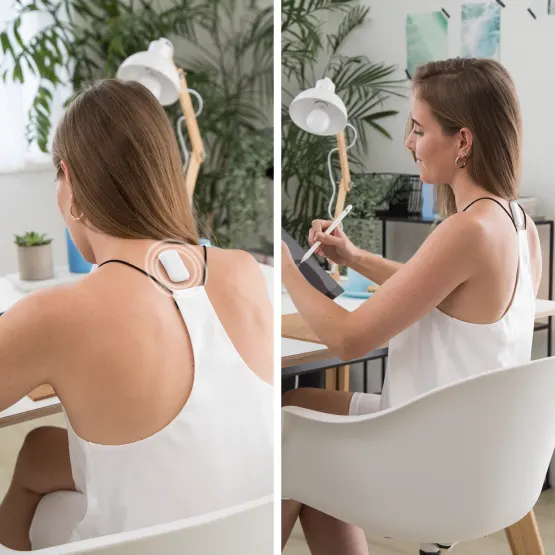
If you’re reading this hunched over a laptop, this one’s for you. The Upright Go 2 is a small trainer you wear on your upper back, between your shoulder blades. When its sensors detect that you’re slouching, it vibrates gently so you straighten up.
You stick it on with medical-grade adhesive or hang it on an optional magnetic necklace. The app gives you a posture score and training programs that start at 15 minutes a day, so your muscles slowly learn the right posture on their own.
The con: the buzzing is annoying at first. That’s how it works, but some people give up in the first week. The adhesive also needs replacing over time.
Who it’s for: desk workers with a sore neck or back. There’s also a cheaper GO S. Read our Upright Go 2 post.
How to Choose Health Gadgets
- Pick one problem. Poor sleep? A ring or band. Blood pressure? A cuff. Posture? The Upright. Buying all of them at once is a great way to ignore all of them.
- Check the subscription. Oura needs a membership. Fitbit Air, Stelo and Apple all have optional or recurring costs. Withings and Xiaomi work without one.
- Check your phone. The Apple Watch only works with an iPhone. Most other picks work with both iPhone and Android.
- Trends beat single readings. One strange number means little. A change over weeks is worth a talk with your doctor.
- Look for FDA clearance when a gadget claims to measure something medical, like blood pressure or glucose.
FAQ
Are smart rings more accurate than smartwatches for sleep?
For sleep, reviewers consistently rate the Oura ring among the best trackers, partly because it’s comfortable enough to wear every night. For workouts, a watch with GPS is better.
Which health gadgets don’t need a subscription?
The Withings BPM Vision, Withings Body Smart, Airthings View Plus, Upright Go 2 and Xiaomi Smart Band 10 all work without one. The Fitbit Air’s core tracking is free too.
What happened to the Amazon Halo and Plume Flow 2?
Both are discontinued. Amazon shut down Halo, and Plume Labs stopped selling the Flow and Flow 2 in 2023.
Want to sleep better, not just track it? See our list of the best gadgets for sleep.