Teenage Engineering EP-40 Riddim – a pocket reggae studio with a dub siren
As an Amazon Associate I earn from qualifying purchases. It costs you nothing extra.
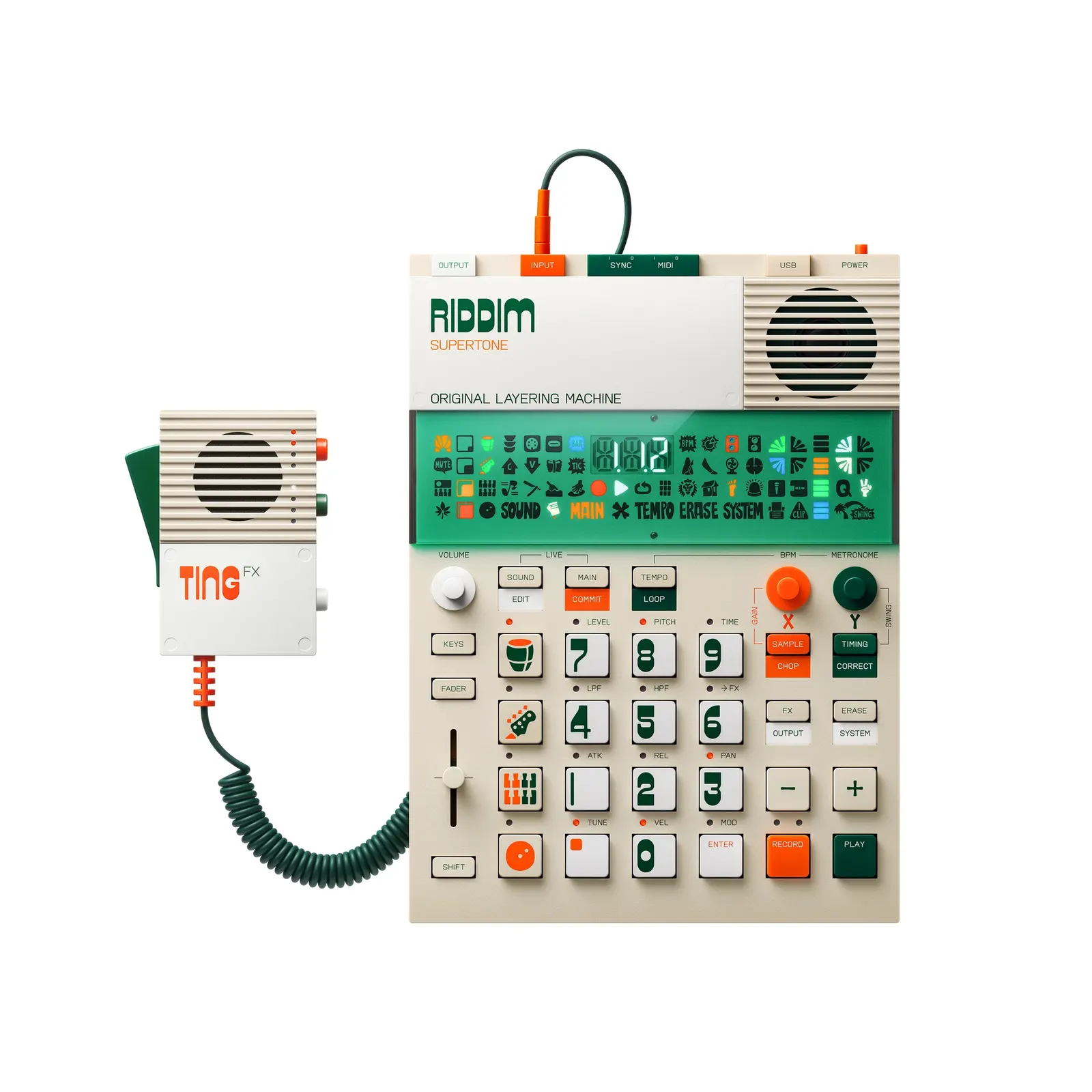
Confession: I can’t hear a dub siren without grinning. That rising “weeeooo” in a sound system track is pure joy, and I want a machine that makes it.
The Teenage Engineering EP-40 Riddim is a portable sampler and sequencer built for reggae, dub and dancehall. It has a synth for deep bass and leads, a big library of reggae sounds, and a dub siren that reacts to how hard you press. Think calculator, but it skanks.
It’s the most specific instrument I’ve seen in years, and I mean that as a compliment.
What is the EP-40 Riddim?
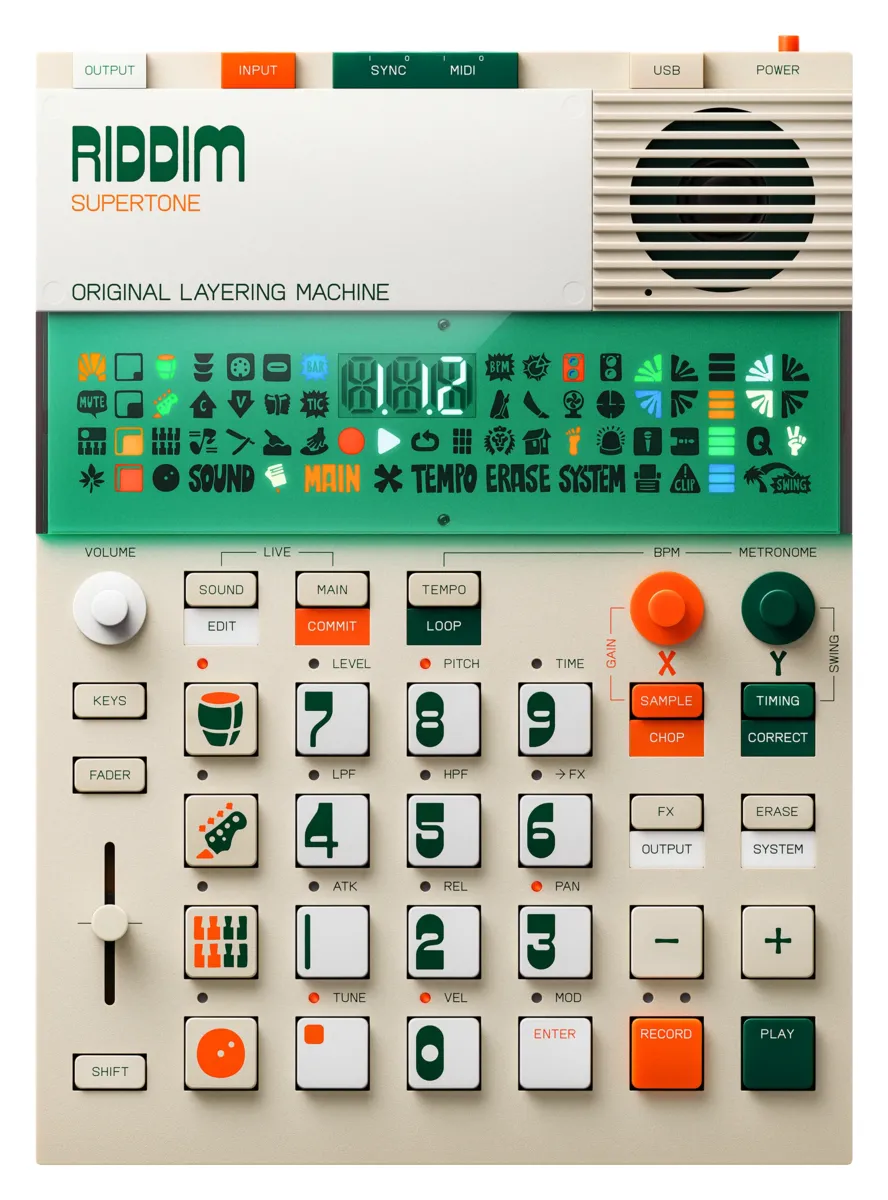
Teenage Engineering is the Swedish design studio behind the OP-1 and the Pocket Operators. The EP-40 Riddim came out in early November 2025 for $329. It’s built on the same hardware as the EP-133 K.O. II, the company’s popular sampler, with new software, new sounds and a cream, green and orange look.
The sound library came from people who know the genre. Teenage Engineering worked with 13 artists, including King Jammy and Mad Professor, who supplied drum, bass and melody stems, one-shots, effects and vocal shouts. You get well over 300 original samples (drums, bass, keys, melodica, guitar, effects) plus eight artist tracks you can remix.
How does it work?
You play it like the other EP machines: punch in sounds on the calculator-style keys, record patterns, record and chop samples through the input, and mix with the fader. The new bits:
- Supertone, the first synth engine in the EP series, for classic reggae bass and lead sounds
- A pressure-sensitive dub siren: press harder and it changes
- Grid-synced loops and a live performance mode
- 7 main effects and 12 punch-in effects
- 128 MB of memory and 12 stereo or 16 mono voices
- Stereo in/out, sync in/out, MIDI in/out and USB-C
- Runs on four AAA batteries or USB-C, with a small built-in speaker
A newer software update (OS 2.5) added USB audio recording, reverse playback and better time-stretching, according to Teenage Engineering.
The good and the not-so-good
What I like:
- A real synth engine. Dubspot’s hands-on review points out you can build bass and lead sounds instead of only triggering samples.
- The library, made with actual reggae legends. Dubspot found it shows real knowledge of the genre.
- Batteries and a speaker. Make beats on the bus.
What could be better:
- It’s a specialist. Dubspot scored it 7.7 out of 10 and says people outside reggae, dub and dancehall get more out of the EP-133 K.O. II.
- The tiny speaker can’t play deep bass, says Dubspot. For bass music, that’s a big deal: use headphones.
- The ting microphone in the photos is not in the Amazon box. Several Amazon buyers were disappointed about that. The EP-2350 ting is sold separately.
- The interface takes some learning, Dubspot warns.
Who is the EP-40 Riddim for?
Reggae and dub fans who make music, or want to start. Sound system nerds. People who already love the EP-1320 Medieval and want another weird sibling. It’s also a great desk object for anyone who likes design.
If they make house, hip-hop or pop, a general sampler like the EP-133 or the Yamaha SEQTRAK is a better fit.
Where can I buy the EP-40 Riddim?
Teenage Engineering sells the EP-40 Riddim on Amazon through its brand store. It was 329 bucks at the time of writing (October 2026). If you want the ting mic too, add the EP-2350 FX-MIC, or buy the bundle on Teenage Engineering’s own site.
More fun stuff for music makers in our music gadgets for musicians. Weeeooo.